Little Girls in Pretty Boxes: The Making and Breaking of Elite Gymnasts and Figure Skaters
In light of the Winter Olympics: what does competing at the elite level do to child athletes? On Alysa Liu, Simone Biles, and all the girls who didn't make it.

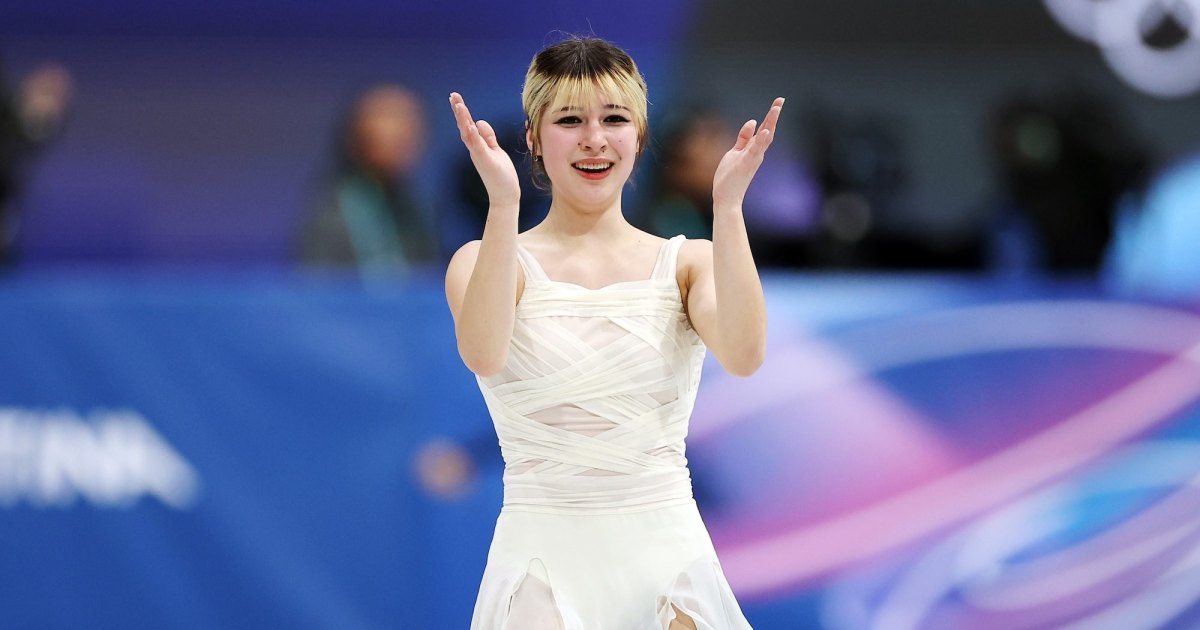
Alysa Liu's free skate program this Olympics was simply magical. The precision, the power, the joy! It gives me goosebumps every time I watch it (and I've watched it many, many times).

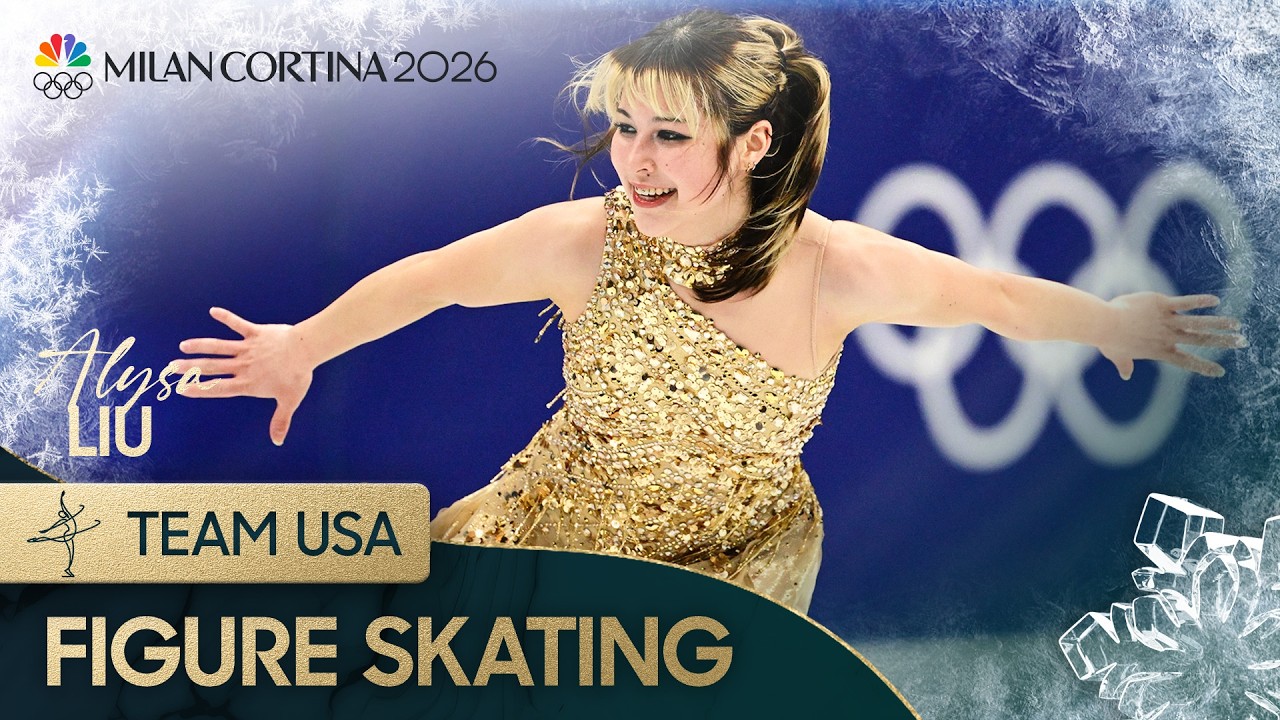
Her achievement was made all the more impressive by the fact that she retired from the sport in 2022 at 16 years old. Her retirement came after a incredible litany of achievements, of which I'll only list a few:
- Winning an intermediate gold medal at the 2016 U.S. Figure Skating Championships (age 10)
- Becoming the youngest-every winner of the U.S. Championships in 2019 (age 13)
- Winning the U.S. Championship again in 2020 (age 14)
- Making her Olympic debut in 2022, coming in sixth at the end (age 16)
After competing in the Olympics, she decided to retire, saying that she no longer loved skating and desired to spend more time with family and friends. She spent two years traveling, resting, visiting different LA cafes, hiking to Everest base camp, studying psychology at UCLA, and exploring her various passions outside of skating. And then, after rekindling her passion, she returned to the ice in 2024 - on the condition that "she would do so firmly on her terms, taking more ownership of her outfits, her music, her routines, her training schedule, her diet—everything."
She's been killing it in competition since then (obviously), but what's even more remarkable is the level of autonomy she exercises over herself and her art. She sports a unique hairstyle and a frenulum piercing where the "ice princess" look is otherwise ubiquitous. She channels her love for fashion into designing her own skating dresses. She hired her own coaches, and decides for herself when and how much to train.
This level of self-determination in elite figure skating isn't just unusual.
It's unheard of.
Joan Ryan's Little Girls in Pretty Boxes offers a glimpse into the training conditions of elite-level gymnasts and figure skaters. Long, grueling schedules with few breaks, rampant injuries and eating disorders, verbal abuse, sexual abuse, social isolation, educational neglect... the list goes on.
From the introduction:
Much of the direct blame for the young athletes’ problems falls on the coaches and parents. Obviously, no parent wakes up in the morning and plots how to ruin his or her child’s life. But the money, the fame and the promise of great achievement can turn a parent’s head. Ambition gets perverted. The boundaries of parents and coaches bloat and mutate, with the parent becoming the ruthless coach and coach becoming the controlling parent. One father put gymnastics equipment in his living room and for every mistake his daughter made at the gym she had to repeat the skill hundreds of times at home. He moved the girl to three gyms around the country, pushing her in the sport she came to loathe. He said he did it because he wanted the best for her.
Coaches push because they are paid to produce great gymnasts. They are relentless about weight because physically round gymnasts and skaters don’t win. Coaches are intolerant of injuries because in the race against puberty, time off is death. Their job is not to turn out happy, well-adjusted young women; it is to turn out champions. If they scream, belittle or ignore, if they prod an injured girl to forget her pain, if they push her to drop out of school, they are only doing what the parents have paid them to do. So, sorting out the blame when a girl falls apart is a messy proposition; everyone claims he was just doing his job.
The sports’ national governing bodies, for their part, are mostly impotent. They try to do well by the athletes, but they, too, often lose their way in a tangle of ambition and politics. They’re like small-town governments: personal, despotic, paternalistic and absolutely without teeth. The federations do not have the power that the commissioners’ offices in professional baseball, football and basketball do. They cannot revoke a coach’s or an athlete’s membership for anything less than criminal activity. (Tonya Harding was charged and sentenced by the courts before the United States Figure Skating Association expelled her.) They cannot fine or suspend a coach whose athletes regularly leave the sport on stretchers.
There simply is no safety net protecting these children. Not the parents, the coaches or the federations.
The book was published in 1995, but it seems like very little has changed since then. In her interview with Elle Magazine, Liu asserts:
Seeing footage of herself from those years “feels like watching a different person,” Liu says. “Like, I don’t have those memories.” She chalks it up to “trauma, definitely, 100 percent. I just blocked it out,” she says. She’d arrive at the gym by 8 A.M. and be there for the next 11 or 12 hours. “I skated every single day. I didn’t get a day off, so it was pretty intense,” she says. On top of the grueling schedule, she felt traumatized by the obsession others had with everything she ate and drank. “Ever since I was a kid, I was told stuff like, ‘Don’t eat that,’” she says. “You can’t drink water even, because of water weight. Imagine telling a 13-year-old that they can’t drink water because of water weight!” It all compounded until she reached a breaking point, feeling like “this sport is disgusting and I want nothing to do with it,” she says.
Ryan's book is meticulous. It highlights the dangerous working conditions these young athletes face, including the expectation of "pushing through" injuries like broken wrists and torn muscles, as well as the blatant encouragement of eating disorders like anorexia and bulimia. Coaches and parents alike expect total obedience from these girls, even as they continue to push them far past their limits and disregard any concerns for safety, much less happiness.
The book also begins to explore the economic and political engines of this industry - including how sponsorships affect the way athletes are encouraged to present themselves, and how elite sports tie into national identity formation. One chapter goes into how girls who don't fit the desired doll- or princess-like image are sometimes prevented from progressing, regardless of their performance. Another describes the massive financial commitment that elite-level training requires, and how it incites desperation to win in parents and children alike, especially in low-income families. Ryan pulls her analysis from her decades of experience as a sports journalist as well as the 100+ interviews she conducted with athletes, parents, coaches, and other industry professionals.
Little Girls in Pretty Boxes is far from a comprehensive text, however. The book was published decades before the revelations about Larry Nasser's sexual abuse of 250+ Olympic gymnasts; while Ryan briefly covers the sexual abuse of these athletes (predominantly teenage girls), she doesn't go into much detail. And although she begins to interrogate the various systemic incentives that contribute to the large-scale abuse of these children by parents and coaches, in the end, she tends to place a lot of the blame on individuals - particularly Béla and Márta Károlyi.
Regardless, I recommend reading the book. The brutal conditions these girls endure have often disabled them for life - and sometimes even killed them, as in the cases of Julissa Gomez and Christy Hendricks. Understanding this status quo makes me appreciate the new standard that stars like Alysa Liu and Simone Biles are trying to set.
Simone Biles, the most decorated gymnast in world history, withdrew from several events at the 2020 Summer Olympics after experiencing "the twisties," a loss of spatial awareness in mid-air. She explained her decision in an interview:
"After the performance I did, I just didn't want to go on," she said.
"I have to focus on my mental health. I just think mental health is more prevalent in sports right now.
"We have to protect our minds and our bodies and not just go out and do what the world wants us to do.
"I don't trust myself as much anymore. Maybe it's getting older. There were a couple of days when everybody tweets you and you feel the weight of the world.
"We're not just athletes. We're people at the end of the day and sometimes you just have to step back.
"I didn't want to go out and do something stupid and get hurt. I feel like a lot of athletes speaking up has really helped.
"It's so big, it's the Olympic Games. At the end of the day we don't want to be carried out of there on a stretcher."
Her prioritization of her own mental and physical health over others' expectations represents a massive break from the status quo. She ended up taking a two-year break from the sport, before continuing on to the 2024 Olympics.
Liu and Biles are at the very top of two notoriously difficult elite sports - ones that demand full subservience from the vast majority of participants. Both of these sports have only gotten more demanding and more dangerous over time; both have chewed up and spit out teenage girls at an alarming rate for decades. But now, having won it all, Liu and Biles are setting new examples for the girls and women who come after them. They prove that there is space for real autonomy and self-care even at this level.
Do I think their actions will totally change the approach to Olympic training in gymnastics and figure skating? No - the majority of the economic and political incentives at play remain the same. However, I hope their insistence on rest/recuperation and subsequent success lead other participants to critically consider their own working conditions. Coaches, parents, judges, agents, even politicians - they all advocate for their own interests in this sector, while the voices of athletes themselves (especially teenage girls) are deliberately suppressed. What would these sports look like if the athletes, even trainees, could organize?
Resources
 Dismiss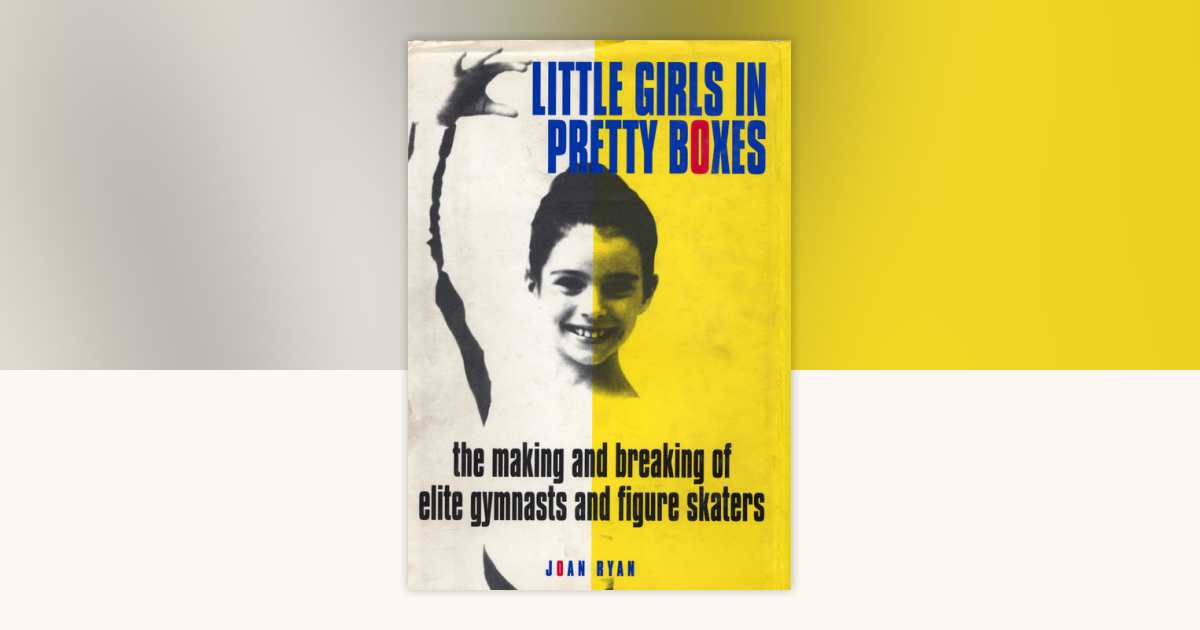
- Physical and Emotional Problems of Elite Female Gymnasts: 1996 article in The New England Journal of Medicine
 AP
AP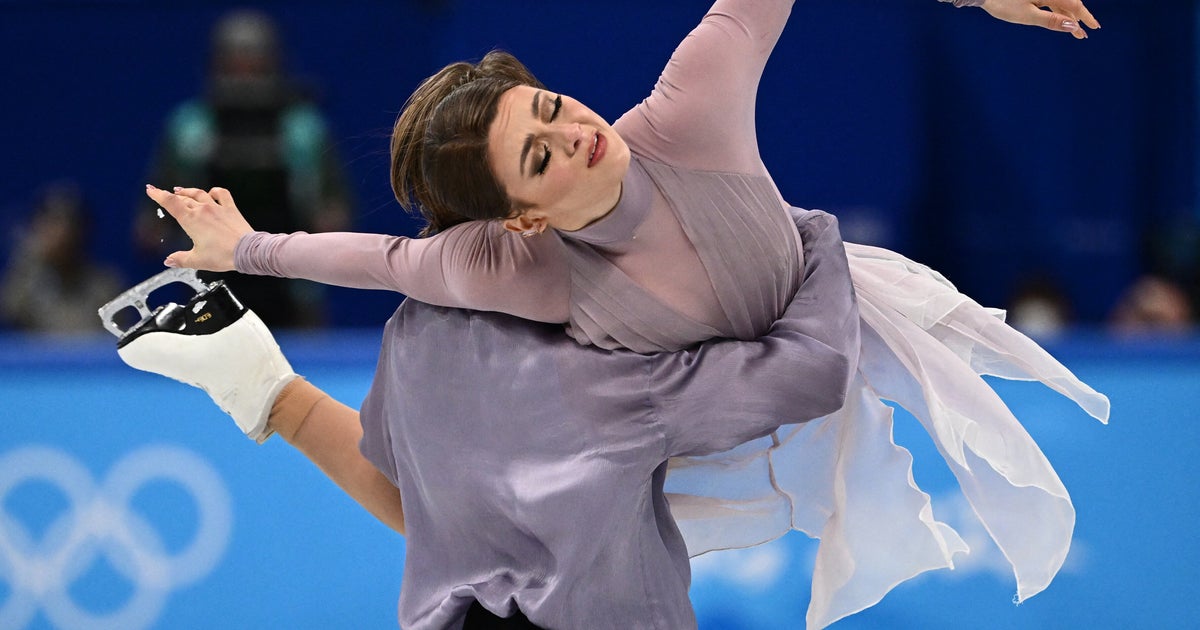
 BBC News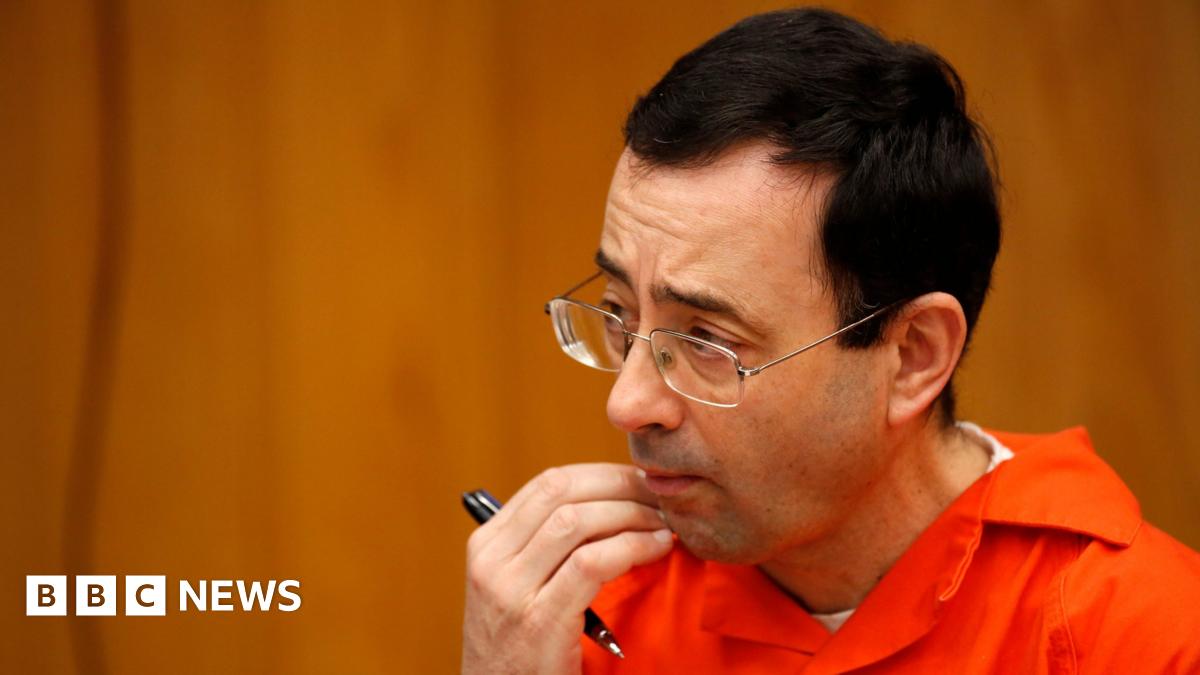
 BBC Sport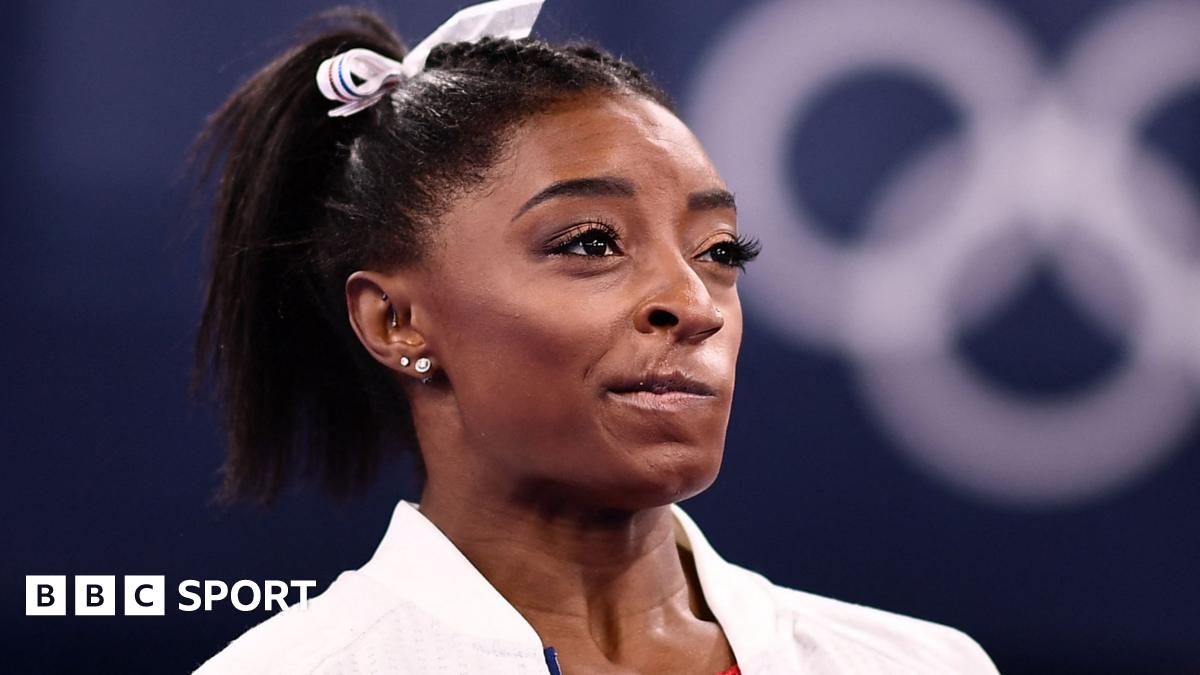
 , USA TODAY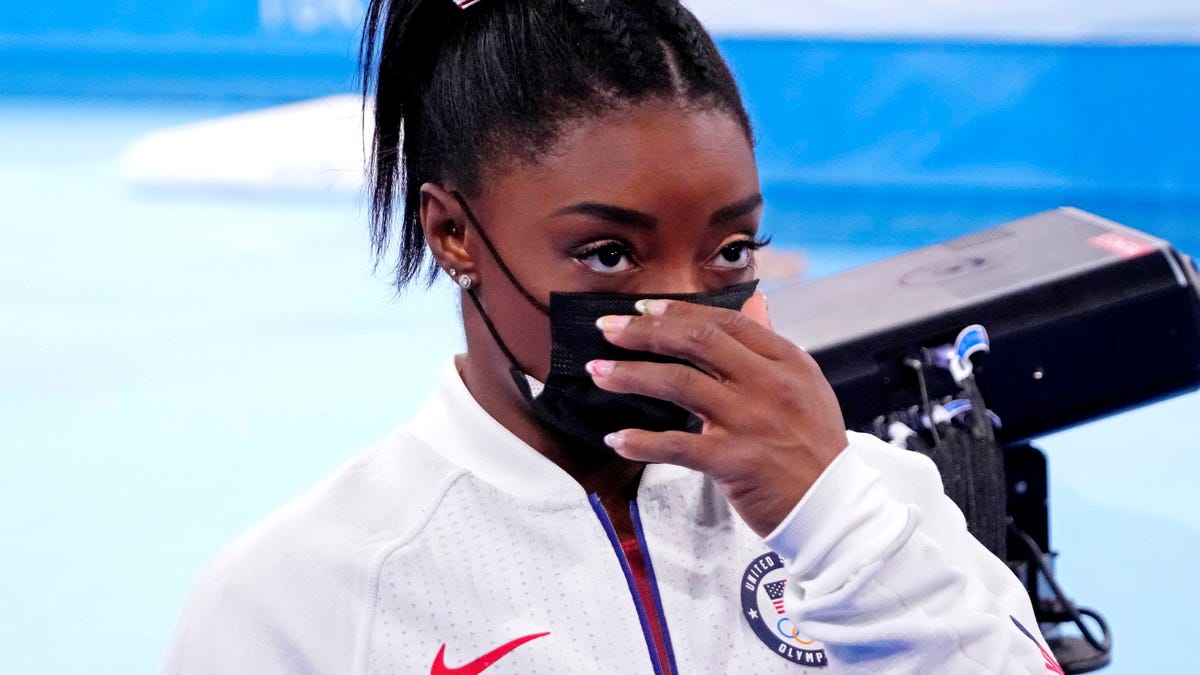
 Kayla Webley Adler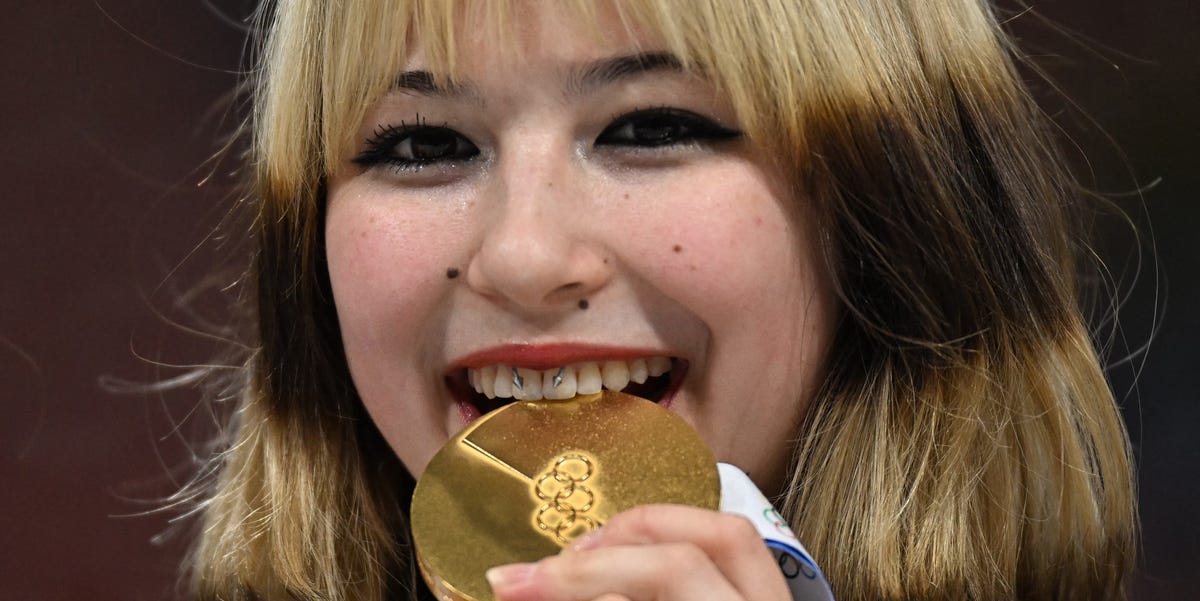
 Tamara Fuentes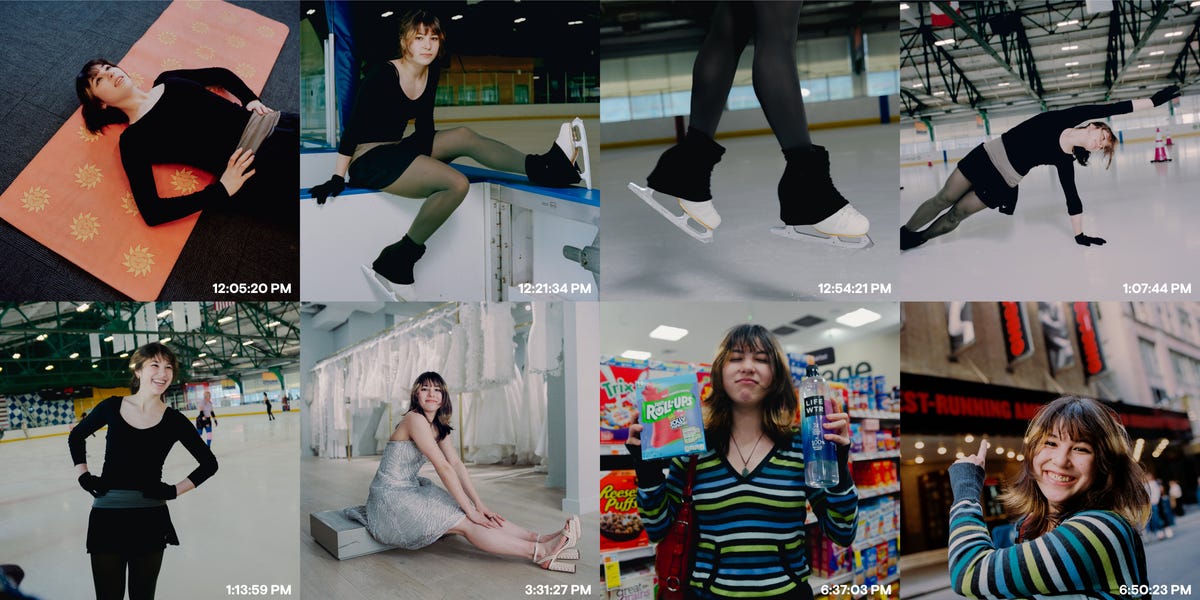
 Justin Harp